
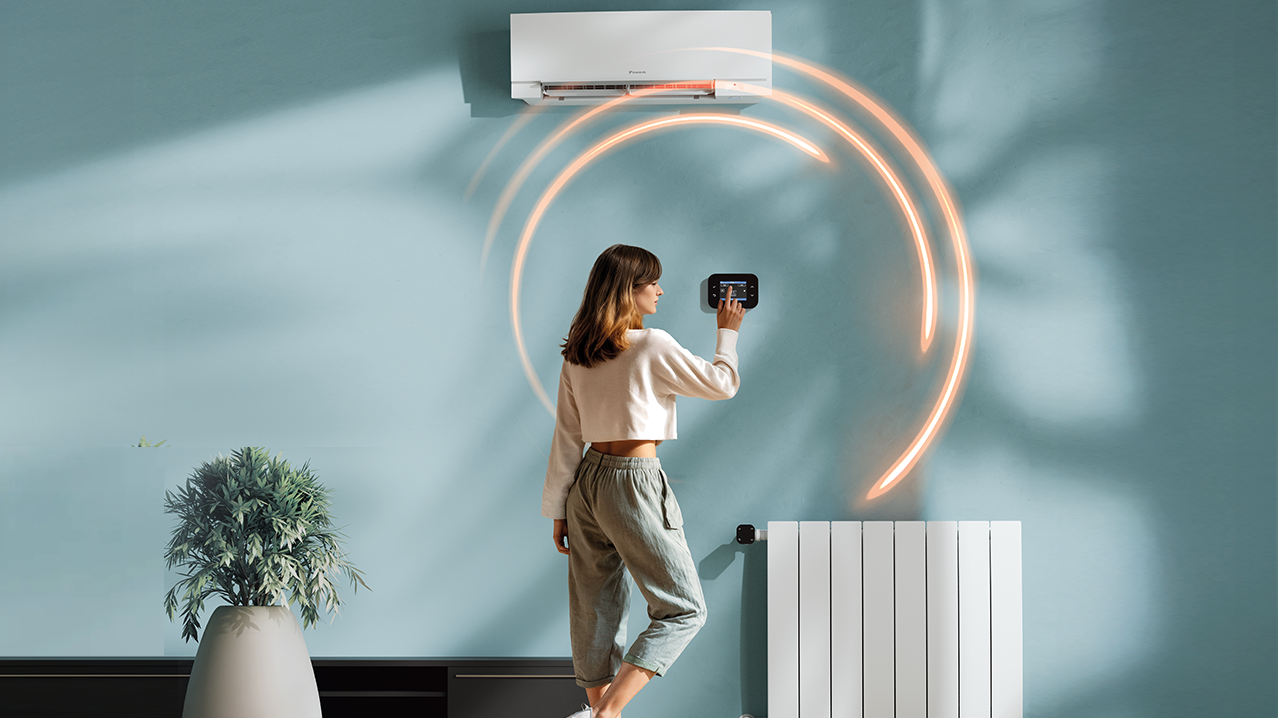
The chat around heat pumps has only got louder following the Government’s announcement of a major increase in the amount of SEAI funding available to help Irish homeowners install one of these clean, efficient, renewable energy devices.
As of this month, homeowners can apply for a grant of up to €12,500 for a new Daikin heat pump system – up from the previous level of €6,500 – which includes the main installation grant as well as upgrade works support and a renewable heat bonus.
The total amount available depends on the type of heat pump you are installing, and in our last blog we looked at the different grant ‘bundles’ on offer for an air-to-water system versus an air-to-air system. Now, let’s take a look at the difference between those two types of heat pumps and help you decide which one is right for your home.
The first thing to say is that both air-to-water and air-to-air heat pumps are electrical devices that extract heat – free, renewable energy – from the outside air and deliver it inside the home. The big difference is what happens next.
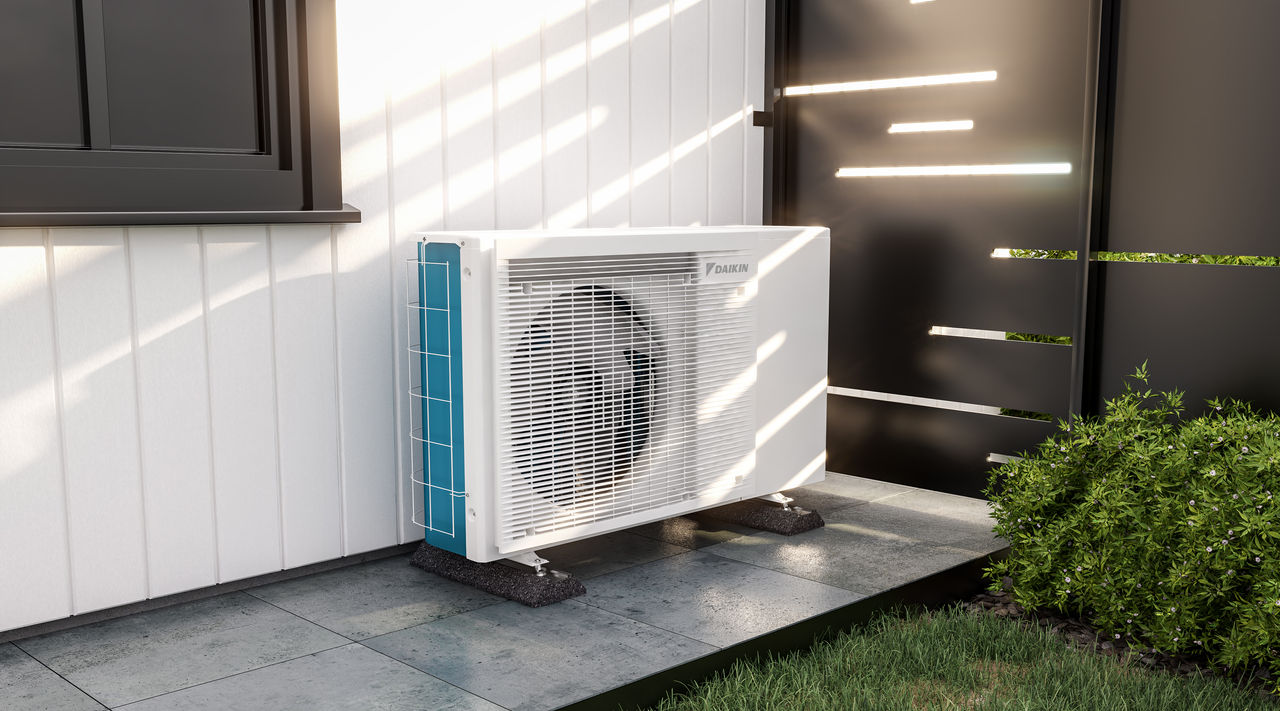
Air-to-water system – ideal boiler replacement
In the case of an air-to-water heat pump, the outside unit extracts energy from the outside air and adds this energy (heat) to your domestic hot water tank as well your radiators and/or underfloor heating. So, for anyone looking to replace an oil or gas boiler, an air-to-water system is a full, comprehensive replacement.
Air-to-water heat pumps are suitable for recently built (e.g. in the last 15-20 years) houses that are already well insulated or for older properties where the homeowners are going for an energy upgrade involving a package of retrofit measures including a full boiler replacement.
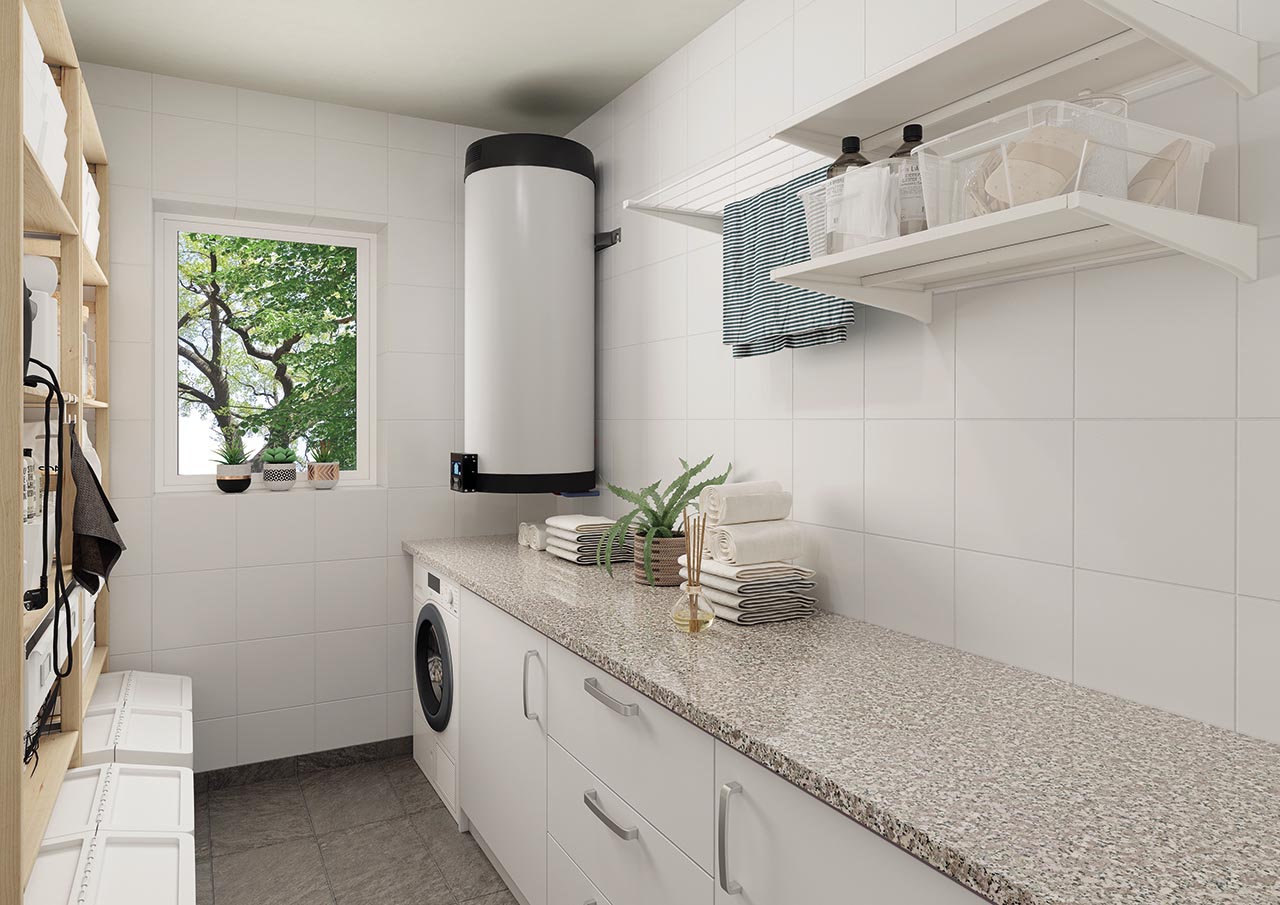
Air-to-air system – warm air (or cool air) + hot water
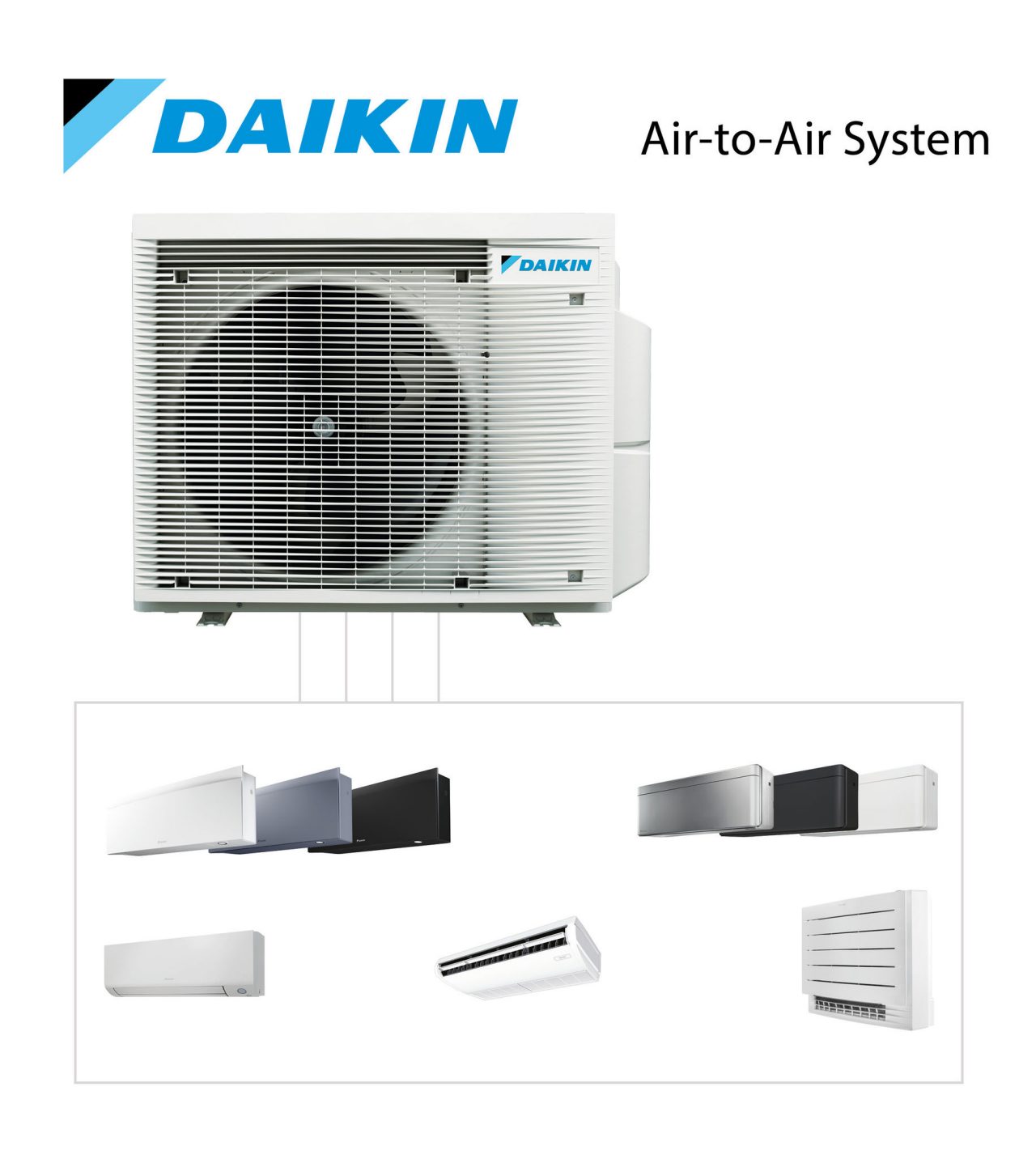
For air-to-air systems, the outside unit again extracts energy from the outside air and transports this energy, by means of the refrigerant fluid, to indoor units which could be positioned in the living room, bedrooms and kitchen. The indoor units turn this energy into hot air which is supplied directly into these rooms.
In reverse, the air-to-air system provides space cooling, just like any efficient air-conditioning system we know from our summer holidays abroad.
In the case of the Daikin Multi + (our latest air-to-air heat pump), the outside unit can also connect to a hot water tank of up to 230 litres, providing a consistent supply of domestic hot water for when you need it.
Air to air heat pumps are ideal for smaller homes including cottages, apartments and modular housing units (e.g. log cabins) where they are flexible enough to fit into smaller properties and can deliver heating or cooling to specific zones in the most efficient way possible.
Upgrading to a Daikin heat pump in 2026
In terms of how they work and what type of home they are best suited to, those are the main differences between air-to-water and air-to-air heat pumps. In terms of the SEAI grants available, air-to-water systems typically involve more work (e.g. upgrading radiators) so more funding is available for this type of heat pump.
Of course, everyone’s home and individual energy needs are different, so if you are one of the thousands of Irish homeowners thinking about upgrading to a Daikin heat pump in 2026, your best first move is to schedule a chat with your local installer or One Stop Shop.
A consultation with your nearest Daikin-registered installer will tell you just how much you can improve your home’s energy performance (BER), which type of heat pump will help you get there – and what level of SEAI grant is available to you. Is this the year you finally switch to a clean, renewable heat pump?
Browse the Daikin range of heat pumps here.